
Summit Counselling Services — Specialty Area
Psychedelic-Assisted Therapy Preparation & integration support for every stage of the journey.
Psychedelic-assisted therapy is reshaping how we understand healing. Whether you're preparing for a medically supervised experience or working to integrate what surfaced during one, we offer specialized psychological support before, during, and after.
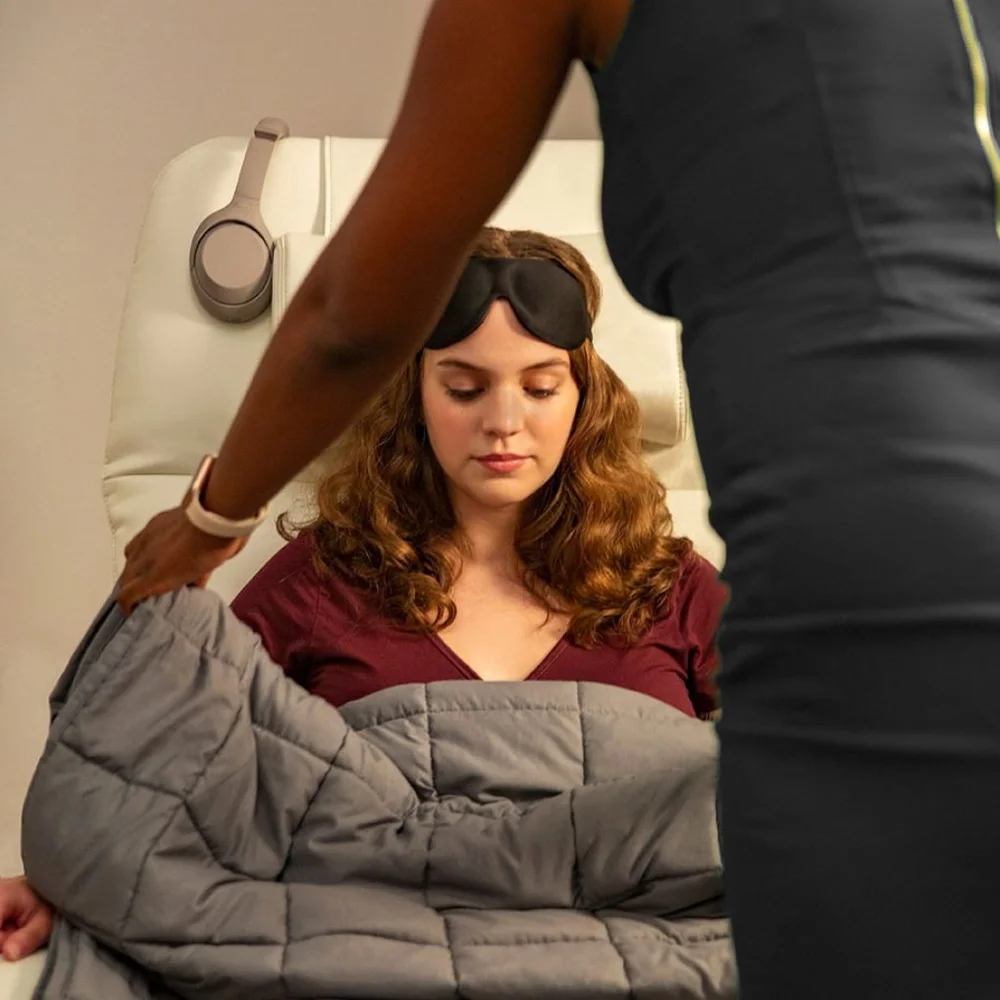
Understanding the Approach
What is psychedelic-assisted therapy?
Psychedelic-assisted therapy is a clinically supervised approach that combines the use of psychedelic substances — such as psilocybin, ketamine, or MDMA — with structured psychological support before, during, and after the experience. It is not recreational. It is not a shortcut. It is a profoundly demanding and potentially transformative form of treatment that requires careful preparation and skilled integration to realize its benefits.
Research from Johns Hopkins, NYU, MAPS, and institutions across Canada has demonstrated meaningful reductions in treatment-resistant depression, PTSD, and end-of-life anxiety. What the research consistently shows is that the therapeutic container matters as much as the medicine itself — the preparation you bring, the set and setting, and the integration work you do afterward determine how fully the experience translates into lasting change.
In Alberta, psychedelic-assisted therapy is regulated under the Mental Health Services Protection Act. Ketamine is currently the most broadly accessible legal option. Psilocybin and MDMA may be accessed through Health Canada's Special Access Program under qualifying medical circumstances. Our psychologists do not prescribe or administer substances — our role is the psychological work that makes the experience meaningful and safe.
A note on scope of practice: In accordance with the College of Alberta Psychologists' Practice Guideline on Psychedelic-Assisted Psychotherapy, our psychologists do not prescribe, administer, recommend, or supervise the use of any psychedelic substance. All medical decisions are made by your physician or psychiatrist. Our role is entirely psychological: preparing you for the experience and helping you integrate it afterward.
Why the psychological work matters
- Your mindset going in shapes everything — preparation builds the inner container
- For trauma survivors, preparation is especially important to ensure nervous system readiness
- Profound insights during a session are just the beginning — without integration they often fade
- Jungian, somatic, and IFS approaches are particularly suited to psychedelic integration
- The post-experience window is uniquely fertile — and can be disorienting without skilled support
- Insight without integration is just a memory — change requires deliberate follow-through
- Coordination with your medical team ensures a safe, coherent care plan
- You may be processing a past experience — integration work is available at any point
The Therapeutic Approach
Depth-oriented approaches for profound experiences
These modalities are particularly well-suited to psychedelic preparation and integration — each works with the unconscious material these experiences tend to surface.
Jungian Psychology
Psychedelic experiences often surface symbolic, archetypal, and shadow material. Jungian approaches provide a rich framework for understanding imagery, myth, and the unconscious that emerges — making sense of what can otherwise feel overwhelming or confusing.
Internal Family Systems
IFS helps identify and resource protective parts before a session, and work with exiled parts that may surface during it. It provides a compassionate framework for the multiplicity of self that psychedelics often reveal.
Somatic Experiencing
Trauma lives in the body, and psychedelics often surface it somatically. Somatic approaches track physical sensations before and after, ensuring the nervous system can safely metabolize what arises and integrate it fully.
Existential Therapy
Psychedelic experiences frequently raise profound questions about meaning, identity, mortality, and belonging. Existential therapy offers a framework for holding these questions without rushing to resolution — turning them into sources of growth.
How We Work Together
Preparation & integration — phase by phase
The quality of your experience is shaped by what comes before and after it. Here is how we structure our work together.
Building the Container
Typically 2–6 weeks before your session. This work creates the psychological conditions for a meaningful, safe experience.
Meeting What Lives Underneath
Psychedelics surface unconscious material. Knowing what lives there before the experience reduces shock and supports agency during it.
Making Meaning of What Arose
Integration begins immediately after your experience. The post-session window is uniquely fertile — and disorienting without skilled support.
Translating Insight Into Change
Insight without integration is just a memory. This final phase turns what you learned into the actual texture of your daily life.
What the Research Shows
The evidence behind psychedelic therapy
Research into psychedelic-assisted therapy has accelerated significantly over the past decade, with findings that challenge how we think about treatment-resistant mental health conditions.
Treatment-Resistant Depression
Response rate in psilocybin trials from Johns Hopkins and Imperial College London for patients who had not responded to conventional antidepressants.
PTSD Symptom Reduction
Of participants in MAPS Phase 3 MDMA trials no longer met diagnostic criteria for PTSD after treatment — compared to 32% in the placebo group.
Rated Among Most Meaningful
Of participants in Johns Hopkins psilocybin studies rated their experience among the most personally meaningful of their lives, 14 months later.
Statistics drawn from peer-reviewed clinical research. Results vary by individual and condition. Psychedelic therapy is not appropriate for everyone and requires thorough medical screening.
Is This Right for You?
Who this work supports
Preparation and integration support is appropriate for a range of experiences and intentions. You do not need to be currently enrolled in a program to begin integration work.
Preparing for Ketamine Therapy
Ketamine is currently the most broadly accessible legal psychedelic-assisted therapy option in Canada. Psychological preparation and integration sessions alongside your ketamine clinic can significantly deepen the therapeutic effect.
SAP Psilocybin or MDMA Access
If you are accessing psilocybin or MDMA through Health Canada's Special Access Program, we provide the psychological support work that the medical system doesn't fully address — before and after your experience.
Processing a Previous Experience
You don't need to be in an active program to benefit from integration. If you've had a meaningful or difficult psychedelic experience and are still working to understand it, integration therapy is for you. It is never too late.
Treatment-Resistant Depression or PTSD
If conventional therapy and medication haven't brought the relief you're looking for, and you're exploring psychedelic-assisted therapy as a next step, preparation support helps you arrive at the experience with the greatest possible psychological readiness.
Existential & Grief Work
Psychedelic experiences often surface profound questions about meaning, identity, loss, and mortality. Depth-oriented integration offers a skilled container for that kind of exploration.
Personal Growth & Self-Understanding
Not all psychedelic-assisted therapy is for diagnosed conditions. Many people seek these experiences as part of a genuine inquiry into self-understanding or breaking through long-standing patterns. This work deserves the same careful preparation.
Our Specialists
Therapists trained in psychedelic-assisted therapy
The clinicians below have specific training and experience in psychedelic preparation and integration support. Use the Find Your Fit tool to explore further, or book a free consultation before committing to a session.
Common Questions
Psychedelic-assisted therapy — your questions answered
Ready to prepare for something profound?
Your first phone consultation is free and completely without pressure. We'll talk about where you are, what you're considering, and whether this kind of support is the right fit for your journey.
We acknowledge that our practice is located in Treaty 6 territory, on the traditional lands of the Cree, Saulteaux, Niitsitapi (Blackfoot), Métis, and Nakota Sioux Peoples. We recognize that healing and reconciliation is a responsibility shared by all and are proud to partner with organizations that help Indigenous community members access culturally safe mental health care.