

Summit Counselling Services — Specialty
First Responders & VeteransYou hold space for everyone else's worst moments. You deserve someone to hold space for yours.
First responders and veterans carry an extraordinary weight — operational trauma, moral injury, cumulative stress, and a culture that too often tells you to push through. Our therapists understand that world, and we're here when you're ready.
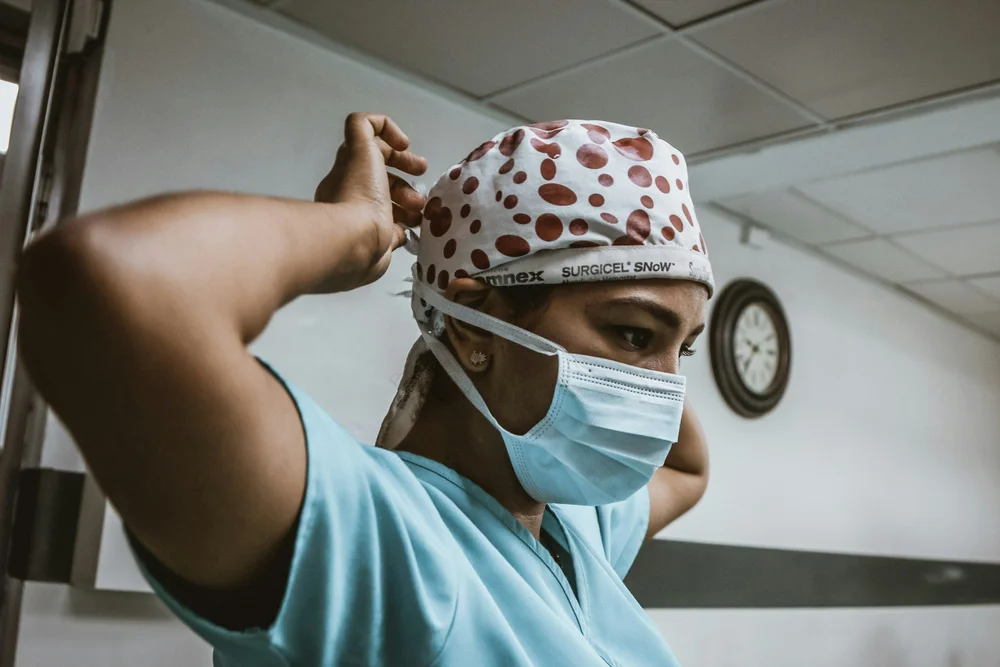
About First Responder Therapy
You support people on the worst days of their lives.
First responders move from crisis to crisis without time to process what they've seen, heard, or carried. The body keeps score. Cumulative exposure to trauma, grief, violence, and human suffering — without adequate time or space to integrate it — takes a toll that can't simply be pushed through indefinitely.
This isn't weakness. It's physiology. The nervous system was not designed to absorb an unrelenting volume of distressing experiences without support. What looks like anger, withdrawal, numbness, hypervigilance, or difficulty connecting at home is often a nervous system doing exactly what it learned to do to keep you functional on shift. Therapy helps you work with that — not against it.
At Summit, several of our psychologists have specialized training in first responder and veteran mental health. They understand the culture, the barriers to help-seeking, and the specific presentations that emerge from operational work. They won't ask you to process at a pace that doesn't feel safe — and they won't minimize what you've been carrying.
"First responders frequently support people on the worst days of their lives, then have to immediately move on to the next crisis. This is a lot for the body to hold without time to process."
What brings first responders to therapy
- —Trauma and PTSD from operational exposure
- —Stress, burnout, and compassion fatigue
- —Vicarious trauma and secondary traumatic stress
- —Moral injury and ethical distress
- —Struggles with shift work and sleep
- —Grief and loss — including line-of-duty death
- —Anger, irritability, and emotional numbing
- —Unhealthy or risky coping — alcohol, substances, risk-taking
- —Depression and anxiety
- —Work conflict and workplace culture stress
- —Relationship and family strain — the cost of the job on home life
- —Transition out of service and identity adjustment
Who We Work With
"First responder" means more than you might think
The operational stress of emergency and crisis work extends far beyond the most visible roles. We work with anyone whose career regularly puts them in contact with trauma, crisis, and human suffering.
Fire Services
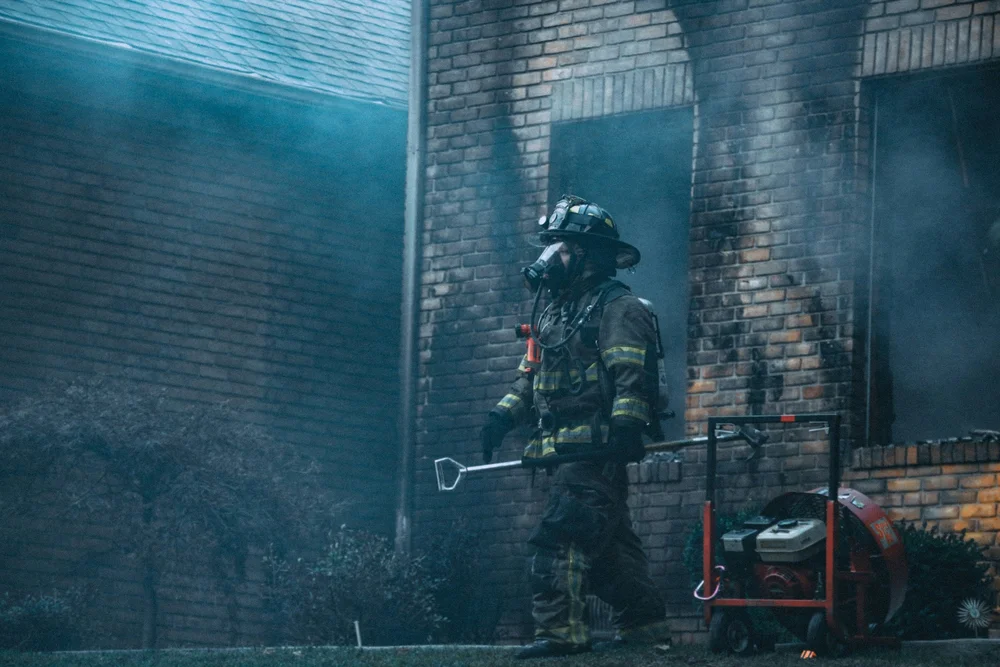
Firefighters carry not only the physical demands of the job but cumulative exposure to traumatic scenes, line-of-duty loss, and the psychological weight of what is witnessed on every shift. Summit therapists are approved providers for Edmonton Fire Rescue Services.
Police & RCMP
Police officers and RCMP members face a unique combination of operational trauma, moral injury, shift work, and institutional pressures that take a significant toll. Several of our therapists are approved providers for Edmonton Police Service and RCMP members.
Paramedics & EMTs
Paramedics and EMTs work in high-acuity, high-volume environments with limited debrief and recovery time between calls. Cumulative exposure, compassion fatigue, and the invisible weight of what can't be saved are all common presentations we support.
Nurses & Healthcare Workers
Nurses and other frontline healthcare workers carry significant moral injury, compassion fatigue, and burnout — particularly following the demands of the pandemic years. The emotional labour of holding space for patients and families while carrying your own load is real and deserves support.
911 Operators & Police Communications
Call operators and police communicators are often overlooked in first responder mental health conversations — but they absorb the same traumatic content without the physical context of being on scene. Secondary traumatic stress and vicarious trauma are significant and underrecognized in this population.
Veterans & Military
Veterans face unique challenges — operational trauma, moral injury, the transition out of military service and its identity disruption, and a system that doesn't always make accessing care easy. Several of our therapists are approved VAC providers and experienced in military-specific presentations.
Our Approach
Therapy built around your experience
Our first responder therapists understand the culture — the expectation to push through, the stigma around help-seeking, the particular way that service shapes identity. You won't have to explain the basics. You won't be asked to perform vulnerability before you're ready.
Therapy is customized to you — to your role, your history, your nervous system, and what you're actually coming in to work on. Whether that's a specific incident, cumulative exposure, the impact the job is having on your relationships, or the question of whether you can keep doing this — we meet you where you are.
Sessions are available in person at our Brewery District, St. Albert, and Windermere locations, and virtually across Alberta.
Therapeutic Approaches
How our therapists work
Our first responder therapists draw on trauma-specific, evidence-based modalities — approaches that work at the level of the nervous system, not just the narrative.
EMDR
Eye Movement Desensitization and Reprocessing is one of the most well-researched trauma therapies available. It doesn't require you to narrate everything that happened — it works with how the memory is held in the body and helps the brain file it as the past rather than keeping it active in the present. Particularly effective for specific traumatic incidents.
Accelerated Resolution Therapy (ART)
ART produces significant results in fewer sessions than many other trauma therapies — often 3–5 — and does not require verbal disclosure of traumatic content. For first responders who want efficient, effective treatment without extensive recounting, ART is frequently the right fit.
Somatic Experiencing
Trauma lives in the body — and operational stress accumulates there long before it's named as a problem. Somatic Experiencing works with the physiological responses to trauma and helps complete the interrupted defensive responses that become stuck. Particularly valuable for cumulative exposure and hypervigilance.
Cognitive Behavioural Therapy (CBT)
CBT helps identify and challenge the thought patterns that maintain PTSD, anxiety, and depression — including the self-blame, the hypervigilance, and the catastrophizing that so often follow traumatic exposure. Structured, evidence-based, and practical.
Acceptance & Commitment Therapy (ACT)
ACT helps you clarify what matters most and build a life aligned with your values — even in the presence of pain, trauma symptoms, or uncertainty about the future. Particularly useful for moral injury, identity transitions out of service, and the question of meaning after difficult experiences.
Solution Focused Therapy
For first responders who want to spend less time on the past and more time building forward — practical, skills-based support that builds coping capacity and momentum. Often used alongside trauma-specific approaches.
Book a Session
Find us in Edmonton, St. Albert & Windermere
All three locations offer first responder and veteran therapy in person, with virtual sessions available for clients anywhere in Alberta.
Wîhkwêntôwin ᐄᐧᐦᑫᐧᐣᑑᐃᐧᐣ (Oliver)
Grandin Plaza, 2nd Floor
Edmonton, AB
Common Questions
First responder therapy — your questions answered
Our Therapists
Therapists specializing in first responder & veteran mental health
The clinicians below have specialized training and experience supporting first responders and veterans. Start with a free 15-minute consultation — no commitment, just a conversation about fit.
Related Support
Other areas we work with
You've taken care of everyone else. Let someone take care of you.
Your first phone consultation is free — no commitment, no pressure. Just a conversation about where you are and whether we're the right fit.
We acknowledge that our practice is located in Treaty 6 territory, on the traditional lands of the Cree, Saulteaux, Niitsitapi (Blackfoot), Métis, and Nakota Sioux Peoples, including our Brewery District office in Wîhkwêntôwin ᐄᐧᐦᑫᐧᐣᑑᐃᐧᐣ (Oliver). We recognize that healing and reconciliation is a responsibility shared by all.