

Summit Counselling Services — Specialty
Grief & Loss TherapyThere is no right way to grieve. And you don't have to do it alone.
Loss can be the most painful thing a human being experiences. Whatever you've lost — and however you're carrying it — you deserve space to grieve it in a way that is meaningful to you.
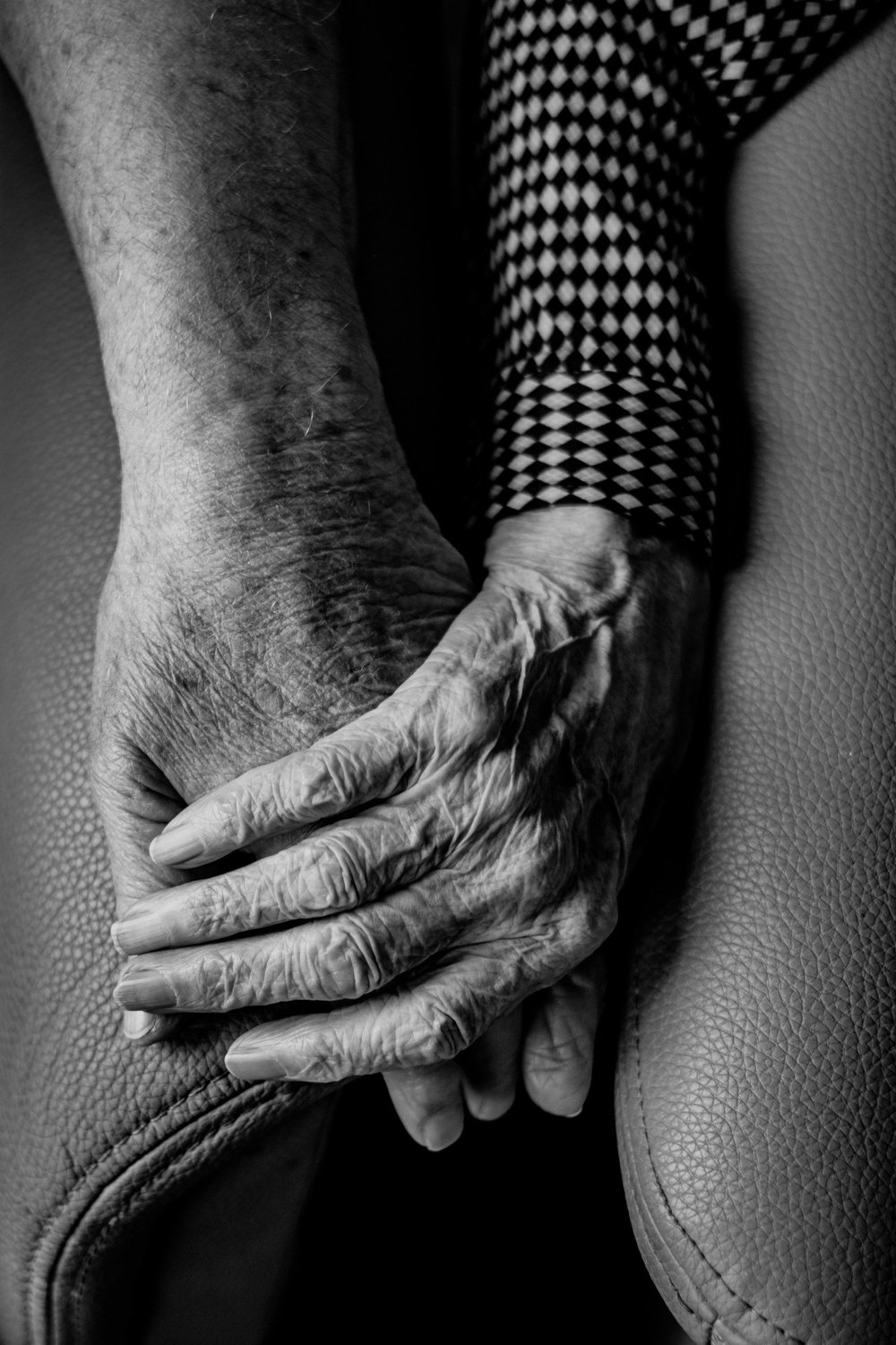
About Grief Therapy
Grief is not just an emotion. It's a physiological process.
Loss can be the most painful thing we as human beings can experience. The finality of loss and the pain of grieving often take a significant toll on mental health — and on the body. Grief is not just an emotion we experience. It is a physiological process that our nervous system goes through after a significant loss. It changes the way we sleep, the way we eat, the way we think, and the way we feel our own bodies.
Grief and loss also does not only occur from experiencing the death of someone we care about. Grief is not always about a negative loss. Grief can occur any time there is a transition in life where we have to let go of something familiar — a version of ourselves, a relationship, a career, a future we had imagined.
Even positive experiences like having a child, getting married, or retiring can lead to feelings of grief and loss — from the life we had before, or from how we now define ourselves. Even in positive events, grief is normal. Any ending of a chapter of our lives can bring feelings of grief. And that's okay. There is no right or wrong way to grieve a loss.
"Our psychologists will walk beside you through your grief and hold space for all that comes with it — validating the process, regardless of the type of loss."
Some losses where grief occurs
- Death of someone we care about
- Death of a pet
- Divorce and separation
- Retirement
- Relocating or moving
- Getting married
- Having children or becoming a parent
- Job transition, loss, or transfer
- Financial or business loss
- Trauma
- Health concerns and diagnosis
- End-of-life — your own or a loved one's
- Infertility and pregnancy loss
- Any major life change — graduation, empty nest, blending families
Types of Grief
Grief arrives in many forms
Understanding the kind of grief you're experiencing can help make sense of what you're carrying — and what kind of support might help most.
Acute Grief
The immediate, intense grief that follows a significant loss. It can feel all-consuming — waves of sadness, disbelief, physical symptoms, difficulty functioning. Acute grief is the body and mind responding to something enormous. It is not a disorder. It is a natural response to loss.
Prolonged Grief
When grief becomes stuck — remaining acute and impairing long after the loss, without the natural softening that typically occurs over time. Prolonged grief disorder is real and treatable, and therapy can provide the support needed to begin moving through what has become frozen.
Anticipatory Grief
The grief that begins before the loss — when someone you love is seriously ill, or when you know a significant ending is coming. Anticipatory grief is often invisible to others but can be just as heavy as grief after loss. It deserves the same care and support.
Disenfranchised Grief
Grief that is not recognized or validated by those around you — the loss of a pet, a pregnancy, a relationship that wasn't publicly acknowledged, a job, or a person you had complicated feelings about. Disenfranchised grief often produces the additional burden of isolation. Your grief is valid regardless of whether others understand it.
Cumulative Grief
When multiple losses occur in close succession — or when unprocessed grief from the past accumulates alongside new losses. Cumulative grief can feel disproportionate to any single loss, and can be confusing without a framework for understanding why each new loss hits so hard.
Grief in Positive Transitions
Even joyful changes carry loss — the loss of who you were before, of how you defined yourself, of relationships or routines that no longer fit. Marriage, retirement, parenthood, graduation — all can produce genuine grief that is rarely acknowledged. It is real and it is worth tending to.

Our Approach
Therapy your way — grief at your pace
At Summit, we believe in therapy that is customized to you — not a structured grief programme with predetermined stages and timelines. Our therapists walk beside you through your grief and hold space for all that comes with it, regardless of the type of loss or how long you've been carrying it.
We recognize that each person brings a unique history, culture, and set of relationships to their grief. What helps one person move through loss may look entirely different from what another person needs. Our goal is to validate your process and support healing that is meaningful to you specifically.
Sessions are available in person at our Brewery District, St. Albert, and Windermere locations, and virtually for clients anywhere in Alberta.
Therapeutic Approaches
How our therapists work with grief
Our therapists draw on a range of evidence-based modalities tailored to the individual — because grief is not one thing, and neither is the support that helps.
EMDR
EMDR is particularly effective for grief connected to traumatic loss — sudden death, violent loss, or loss that carries traumatic elements. It helps the brain process memories that have become frozen in a state of acute distress, allowing them to integrate as part of a larger life story rather than remaining perpetually active.
Cognitive Behavioural Therapy (CBT)
CBT helps identify and gently challenge the thought patterns that complicate grief — the self-blame, the "shoulds," the cognitive distortions that intensify suffering and make it harder to move through loss. Particularly useful for prolonged grief and grief complicated by guilt or regret.
Emotion Focused Therapy (EFT)
EFT works at the level of the emotional experience of grief — the sadness, the anger, the guilt, the love that has nowhere to go. It helps deepen the emotional processing of loss rather than moving around it, and is particularly powerful for grief involving complex relationships or attachment injuries.
Somatic Experiencing
Grief is held in the body — the heaviness, the constriction, the exhaustion. Somatic approaches work with the physiological dimension of grief rather than only the cognitive narrative, helping the nervous system complete what it needs to complete in order to begin returning to regulation.
Accelerated Resolution Therapy (ART)
ART can produce meaningful relief from grief-related distress in fewer sessions than traditional approaches — making it a strong fit for clients who want focused, efficient support alongside or instead of longer-term grief work.
Dialectical Behaviour Therapy (DBT)
DBT skills for distress tolerance, emotion regulation, and interpersonal effectiveness can be particularly helpful when grief is acute and destabilizing — providing practical tools for getting through the hardest moments while longer-term processing continues.
Book a Session
Find us in Edmonton, St. Albert & Windermere
Grief therapy is available in person at all three Summit locations, and virtually for clients anywhere in Alberta.
Wîhkwêntôwin ᐄᐧᐦᑫᐧᐣᑑᐃᐧᐣ (Oliver)
Grandin Plaza, 2nd Floor
Edmonton, AB
Common Questions
Grief therapy — your questions answered
Our Therapists
Therapists who specialize in grief & loss
The clinicians below have specific training and experience supporting people through grief and loss of all kinds. Start with a free 15-minute consultation — no commitment, just a conversation about fit.
Further Reading
From our blog
More from the Summit team on grief, loss, and the many ways they show up.
Related Support
Other areas we work with
Your grief deserves to be held with care.
Your first phone consultation is free — no commitment, no pressure. Just a conversation about where you are and whether we're the right fit.
We acknowledge that our practice is located in Treaty 6 territory, on the traditional lands of the Cree, Saulteaux, Niitsitapi (Blackfoot), Métis, and Nakota Sioux Peoples, including our Brewery District office in Wîhkwêntôwin ᐄᐧᐦᑫᐧᐣᑑᐃᐧᐣ (Oliver). We recognize that healing and reconciliation is a responsibility shared by all.